
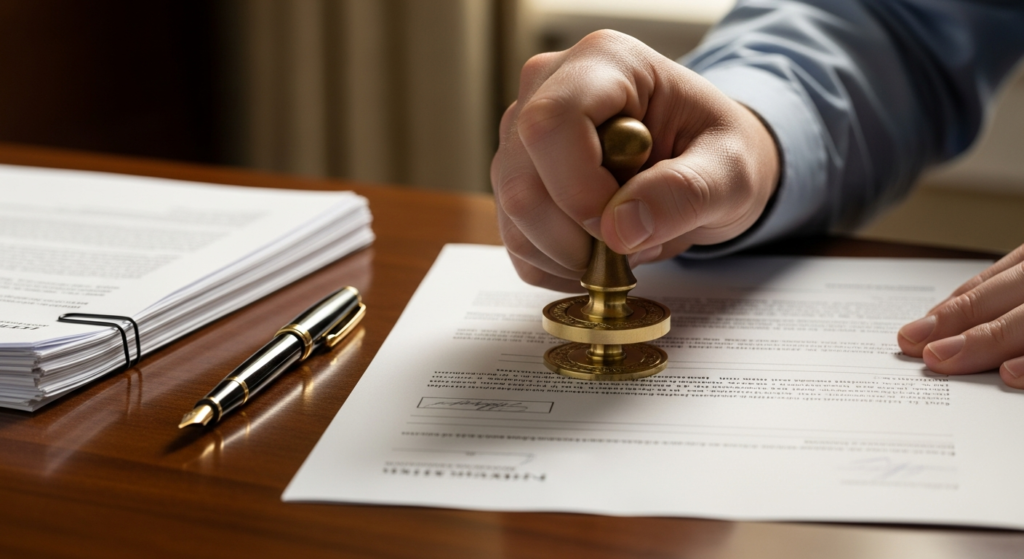
Look, I’ve been through the home-buying circus a few times now, both selling and buying, and honestly? The sheer volume of paperwork is enough to make anyone’s head spin. You sign and sign, page after page, your hand cramping, trying to make sense of what feels like a small forest’s worth of trees turned into legal jargon. Then there’s that time, usually at the closing table, when someone throws a document across and says, “Okay, this one needs a notary.” Most people just nod, sign, and go on without really considering the significance of that small stamp. But believe me, knowing the notary procedure is more than a formality for a new property owner. It protects you from headaches, gives you peace of mind, and occasionally is the only thing preventing a legal nightmare.
What Does a Notary Actually Do in Real Estate?
The thing is, a notary public isn’t just a fancy stamp provider. Nope. They’re an impartial witness appointed by the state, basically there to prevent fraud. They make sure the person signing a document is actually who they say they are—identity verification, you know? And they confirm that you’re signing willingly, not because someone’s got a gun to your head (dramatic, I know, but you get the point). When you’re buying a house, this stuff is huge. We’re talking about deeds, mortgages, affidavits, powers of attorney—all these incredibly important papers that dictate who owns what, who owes what, and who can make decisions for you. If someone forged your signature on a deed, and it wasn’t notarized properly, well, that’s a mess you don’t want to deal with. The notary’s job is to ensure that doesn’t happen, or at least, make it a whole lot harder. They take an oath, swear to uphold the law, and really, they’re the quiet guardians of the public trust in these kinds of transactions. It’s pretty serious business, even if it feels like just another signature at the time.
The Paperwork Jungle: Your Notary Checklist as a New Owner
So, what documents are we usually talking about here that need that official stamp? For new homeowners, the big ones are usually the deed (that’s the document transferring ownership to you), the mortgage or deed of trust (if you’re getting a loan, which, let’s be real, most of us are), and sometimes certain affidavits or declarations. You might even see a power of attorney if you’ve authorized someone else to sign on your behalf, though that’s less common for the actual buyer at closing.
Here’s what you should always, always do when dealing with a notary for your property papers:
* **Bring valid ID.** I mean, obviously. They can’t verify you if you don’t have a state-issued photo ID, like a driver’s license or passport. Make sure it’s current. Expired IDs? Forget about it. They’ll send you packing.
* **Read the document.** Seriously. Don’t just sign because someone tells you to. The notary isn’t there to explain the legal ins and outs, but you should understand what you’re putting your name on. It’s your house, after all.
* **Don’t sign beforehand.** This is a big one. A notary has to *witness* you signing. They can’t notarize something you signed last week. They’re verifying your signature *at that moment*. If you’ve already signed it, they can’t do their job.
* **Ask questions (about the process, not the law).** If you’re unsure about what the notary is doing or why they’re asking for certain info, just ask. They can’t give legal advice, but they can definitely explain their own procedures. I remember one time I was trying to rush through a refinancing, and the notary politely but firmly stopped me because I’d forgotten to initial a tiny correction. Good thing she was paying attention!
Navigating the Nitty-Gritty (and a Peek at PA Rules)
Okay, so maybe you’re not planning on *becoming* a notary, but understanding how they operate, especially in a specific state, can actually make you a more prepared homeowner. Different states have slightly different rules for notaries. Here in Pennsylvania, for example, the rules are pretty strict, and they’ve evolved over time—especially with things like remote online notarization becoming more common (and more regulated). For anyone who’s ever thought about just understanding the actual process, or maybe even considered getting certified themselves, resources like a pa notary practice exam can be super helpful. Even if you just want to get a grasp on the legal expectations of a notary, knowing what they’d test for gives you insight into what *they* are looking for when you’re signing your closing documents.
I mean, if you’re a new homeowner in PA, knowing that your notary had to pass a pretty specific exam and follows clear guidelines should give you some confidence. They have to know things like proper identification methods, how to handle different types of documents, and what their limitations are. It’s not just a rubber stamp. And if you’re ever curious about the nitty-gritty of what it takes to be a notary in the Commonwealth, the official PA Department of State website is the place to go. They lay out all the requirements for commissioning and what a notary’s duties really entail. Honestly, it’s a lot more involved than most people realize. So, if you’re just looking to get a deeper understanding of the processes involved, not for official certification but for your own peace of mind, even taking a quick look at something like a practice test can be surprisingly educational. It covers the kinds of scenarios and rules that directly impact the validity of those all-important documents you’ll be signing.
Don’t Just Sign, Understand.
So, next time you’re at the closing table, or handling any legal document really, and someone asks for a notary, take a beat. Remember they’re there for a reason, a really important one. It’s not just another hoop to jump through. It’s a layer of security, a safeguard against fraud, and it protects your investment. Being prepared with the right ID, understanding *your* role in the process, and knowing *their* role just makes everything go smoother. And honestly, isn’t that what we all want when dealing with something as big as buying a home? No surprises, just solid, verified paperwork.