Peptides have become indispensable tools in scientific research, offering precise effects on cellular function, metabolism, tissue repair, and more. However, to ensure their efficacy and stability, peptides must be properly prepared before use. This is where Reconstitution Solvents play a crucial role. Whether working with metabolic peptides like MOTS-C or regenerative compounds, understanding how to reconstitute peptides is essential for accurate experimental results.
What Are Reconstitution Solvents?
Reconstitution Solvents are liquids used to dissolve lyophilized (freeze-dried) peptides, transforming them into a usable solution for research, laboratory experiments, or therapeutic applications. Peptides are typically supplied in dry powder form to preserve stability, prevent degradation, and extend shelf life. Before administration or laboratory testing, they must be carefully reconstituted with the appropriate solvent.
Choosing the correct solvent is vital. The wrong solvent can degrade the peptide, reduce its activity, or even render it ineffective. Commonly used reconstitution solvents include sterile water, bacteriostatic water, saline solutions, and specialized peptide solvents designed for sensitive compounds.
Why Proper Reconstitution Matters
Proper reconstitution ensures that the peptide retains its biological activity, allowing researchers to achieve reliable and reproducible results. Peptides like MOTS-C, which play a role in metabolic regulation and cellular energy balance, are particularly sensitive to preparation methods. Using incorrect solvents or improper handling can compromise experiments, reduce effectiveness, and impact study outcomes.
Key reasons why proper reconstitution is critical include:
- Maintaining Peptide Stability – Lyophilized peptides are stable in powder form but can degrade quickly once in solution. Correct solvents and handling preserve their chemical structure.
- Ensuring Accurate Dosing – Precise dissolution allows for consistent concentrations, which is crucial in research where even small deviations can affect results.
- Preventing Contamination – Using sterile, high-quality solvents reduces the risk of bacterial or fungal contamination, ensuring safety and reliability.
Step-by-Step Guide to Reconstituting Peptides
Reconstituting peptides with Reconstitution Solvents is straightforward if proper protocols are followed. Here’s a step-by-step guide:
- Select the Appropriate Solvent
The choice of solvent depends on the peptide’s characteristics. Water-soluble peptides often require sterile or bacteriostatic water, while more hydrophobic peptides may need small amounts of ethanol, acetic acid, or other specialized solvents. Check the peptide’s instructions for guidance. - Prepare a Clean Workspace
Use a sterile environment to avoid contamination. Work on a disinfected surface, wear gloves, and use sterile tools such as syringes or pipettes. - Add Solvent Gradually
Gently introduce the solvent to the lyophilized peptide. Avoid vigorous shaking, which can cause foam formation or peptide denaturation. Swirl or gently tap the vial to dissolve the powder fully. - Check for Complete Dissolution
Ensure the peptide is fully dissolved and forms a clear solution. Some peptides may take longer to dissolve depending on their properties. If undissolved particles remain, allow additional time or adjust the solvent slightly as recommended by the manufacturer. - Label and Store Appropriately
Once reconstituted, peptides should be labeled with the concentration, date, and peptide name. Store the solution according to the manufacturer’s guidelines—typically at low temperatures or refrigerated to maintain stability.
Special Considerations for MOTS-C
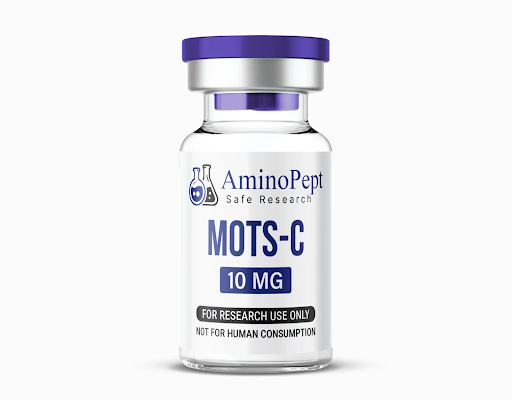
MOTS-C is a peptide widely studied in Metabolic Research for its role in cellular energy regulation, insulin sensitivity, and mitochondrial function. Due to its delicate structure, proper reconstitution with compatible Reconstitution Solvents is essential to preserve its activity.
When preparing MOTS-C:
- Use sterile bacteriostatic water to ensure stability.
- Avoid acidic or highly basic solvents unless explicitly instructed.
- Keep the reconstituted peptide refrigerated and minimize freeze-thaw cycles.
Following these steps ensures MOTS-C maintains its bioactivity, allowing researchers to accurately study its effects on metabolism, fat oxidation, and cellular health.
Applications of Reconstituted Peptides
Once properly reconstituted, peptides like MOTS-C are used in various research applications:
- Metabolic Studies – MOTS-C influences energy regulation, insulin sensitivity, and mitochondrial function, making it a key tool in metabolic research.
- Tissue and Cellular Studies – Peptides can stimulate cellular repair, regeneration, and signaling, helping researchers understand tissue-specific responses.
- Preclinical Research – Many peptides are tested in animal models to evaluate their therapeutic potential in areas like aging, muscle recovery, and metabolic disorders.
- Pharmaceutical Development – Accurate reconstitution ensures consistency in formulation studies and clinical research for potential therapeutic applications.
Safety and Best Practices
Handling peptides requires careful attention to safety:
- Always work in a sterile environment.
- Use gloves, protective eyewear, and disinfected surfaces.
- Avoid using expired peptides or solvents.
- Follow all storage guidelines to maintain peptide integrity.
Proper preparation using Reconstitution Solvents ensures not only effective research outcomes but also the safety of laboratory personnel.
Conclusion
Reconstitution Solvents are fundamental to the successful use of peptides in research and clinical applications. They transform lyophilized powders into stable, usable solutions while preserving biological activity and ensuring accurate dosing.
Peptides like MOTS-C exemplify the importance of careful reconstitution. By following precise protocols and using appropriate solvents, researchers can unlock the full potential of peptides for studies in metabolism, cellular function, and tissue regeneration.
As peptide research continues to expand, mastering the correct use of reconstitution solvents is a critical step in advancing scientific discovery, improving reproducibility, and exploring the therapeutic possibilities of these powerful compounds. Proper preparation today leads to reliable results tomorrow, helping researchers make meaningful advances in health, wellness, and longevity.