
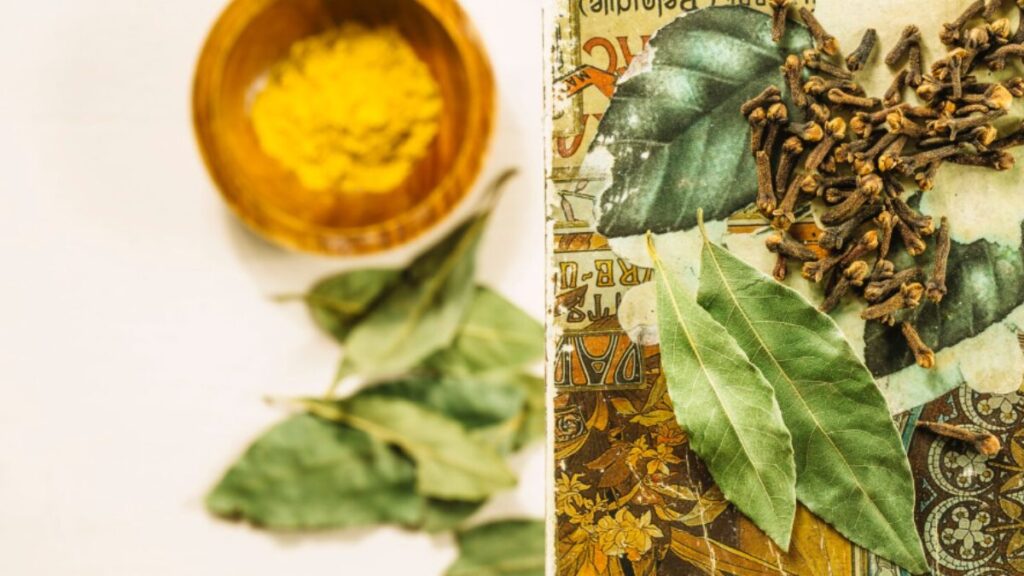
Introduction to Foenegriek
Foenegriek, also known as fenugreek, is a powerhouse herb that has captivated cultures for centuries. This unassuming plant boasts a rich history and an impressive array of benefits that are just waiting to be discovered. Whether you’re looking to enhance your health or add some spice to your meals, Foenegriek might just become your new favorite ingredient. In this blog post, we’ll explore the remarkable journey of this ancient herb and delve into its modern-day advantages. Get ready to unlock the secrets of Foenegriek!
The History and Cultural Significance of Foenegriek
Foenegriek, known as fenugreek in English, has a rich history that dates back thousands of years. This ancient herb hails from regions of the Mediterranean and Asia. Its use can be traced to ancient Egyptian times, where it was prized for its medicinal properties and even used in embalming rituals.
In Indian culture, foenegriek is revered not only for its culinary applications but also for its role in traditional medicine. It finds a place in Ayurvedic practices, believed to balance bodily energies and promote overall wellness.
The spice’s significance extends into various cuisines across the Middle East and North Africa. From flavoring curries to enhancing bread recipes, foenegriek has woven itself into the fabric of daily life.
Beyond food and health, foenegriek symbolizes nourishment and fertility in many cultures. Its seeds are often associated with prosperity and good fortune—a testament to their cherished status throughout history.
Health Benefits of Foenegriek
Foenegriek is a powerhouse of health benefits. One of its standout features is improved digestion. The fiber content in foenegriek aids in regulating bowel movements and reducing bloating.
Another significant advantage lies in blood sugar regulation. Research suggests that this ancient herb can help stabilize glucose levels, making it an excellent option for those managing diabetes.
For nursing mothers, foenegriek offers remarkable support by increasing milk production. Many women have turned to this natural remedy to enhance lactation.
Additionally, the anti-inflammatory properties found in foenegriek may contribute to overall well-being, promoting better skin health and easing discomfort from ailments like arthritis. Its versatile nature makes it not just beneficial but also easy to incorporate into daily life.
A. Improved Digestion
Foenegriek, or fenugreek, has been celebrated for its ability to enhance digestive health. The seeds are rich in dietary fiber, which plays a vital role in promoting gut function.
This natural herb aids digestion by helping to prevent constipation and bloating. Its high fiber content acts as a bulk-forming laxative, making it easier for food to move through the digestive tract.
Additionally, foenegriek can stimulate the production of gastric juices. This boosts your body’s ability to break down nutrients efficiently.
Many people find that incorporating foenegriek into their diet helps alleviate symptoms of indigestion. It can soothe inflammation within the gastrointestinal tract too.
With such powerful properties, it’s no wonder that this ancient herb is finding its way back into modern kitchens and medicine cabinets alike. Embracing foenegriek may just be the key to unlocking better digestive health.
B. Blood Sugar Regulation
Foenegriek has garnered attention for its potential role in blood sugar regulation. Studies suggest that this ancient herb can help manage glucose levels, making it a valuable ally for those with diabetes or insulin sensitivity.
The active compounds found in foenegriek seeds, such as galactomannan, are believed to slow down carbohydrate absorption. This helps prevent spikes in blood sugar after meals.
Additionally, foenegriek may enhance insulin sensitivity. Better responsiveness to insulin means more efficient glucose utilization by the body’s cells.
Incorporating foenegriek into your routine could be a proactive step towards maintaining balanced blood sugar levels. With consistent use and healthy lifestyle choices, you might find that managing your glucose becomes easier than before.
C. Increased Milk Production in Nursing Mothers
Foenegriek has gained attention for its potential to support nursing mothers. This ancient herb is rich in compounds that may stimulate milk production, making it a popular choice among lactating women.
Research suggests that the phytoestrogens found in foenegriek can positively influence breast tissue, enhancing milk supply. Many mothers turn to this natural remedy when they face challenges with breastfeeding.
Incorporating foenegriek into the diet can be easy and enjoyable. Whether consumed as seeds or brewed as tea, it offers versatility alongside its benefits.
Moreover, many traditional cultures have long recognized the value of foenegriek in promoting lactation. Its historical use emphasizes not only efficacy but also trust passed through generations.
For new mothers seeking ways to boost their milk production naturally, foenegriek stands out as an option worth exploring.
Culinary Uses of Foenegriek
Foenegriek, also known as fenugreek, is a versatile herb that adds depth to various dishes. Its unique flavor profile combines sweetness with a hint of bitterness, making it an intriguing ingredient in culinary creations.
In Indian cooking, foenegriek is often used in spice blends like garam masala and panch phoron. It can enhance curries, stews, and vegetable dishes. The seeds are commonly toasted before use to intensify their aroma.
Beyond Indian cuisine, foenegriek leaves—known as methi—serve as a popular addition to salads and flatbreads. They impart a distinct taste that elevates simple recipes into flavorful experiences.
For adventurous cooks, incorporating foenegriek into marinades or dressings provides an exciting twist. A sprinkle of ground seeds can transform roasted vegetables or even popcorn into something extraordinary.
How to Incorporate Foenegriek into Your Diet
Incorporating foenegriek into your diet can be both fun and flavorful. Start by adding the seeds to your spice cabinet; they bring a nutty, slightly sweet flavor that enhances various dishes.
Try sprinkling ground foenegriek on roasted vegetables for an aromatic twist. It pairs beautifully with potatoes and carrots, making them even more delicious.
You can also blend it into smoothies or yogurt for added nutrition. The earthy taste complements fruits like bananas and berries perfectly.
For those who enjoy baking, consider including foenegriek in bread or muffin recipes. It adds depth to the flavor profile while boosting health benefits.
Steeping the seeds in hot water creates a soothing tea that’s easy to prepare. Enjoy it as a warm beverage any time of day for its digestive properties without sacrificing taste.
Other Uses for Foenegriek
Beyond its culinary and health applications, Foenegriek offers a range of intriguing uses.
In the realm of natural remedies, this herb has gained attention for its potential to soothe skin irritations. A paste made from ground seeds can provide relief for conditions like eczema or psoriasis.
Foenegriek is also popular in hair care. Many people use it to promote hair growth and combat dandruff. The nutrients in the seeds may nourish hair follicles, leading to stronger strands.
Additionally, some cultures harness Foenegriek as a natural deodorant due to its pleasant aroma. It can serve as an alternative for those seeking chemical-free personal care products.
There’s growing interest in using Foenegriek extracts in cosmetics. Its antioxidant properties make it a valuable ingredient for skincare formulations aimed at reducing signs of aging and promoting overall skin health.
A. Natural
Foenegriek is not just a culinary delight; it’s also a powerhouse in the realm of natural remedies. This ancient herb has been used for centuries across various cultures for its therapeutic properties.
Its seeds are rich in antioxidants that can combat inflammation and support overall health. Many find that foenegriek acts as a natural remedy for skin issues, reducing irritation and promoting healing.
Additionally, foenegriek is known to have antimicrobial qualities, making it beneficial for fighting infections. The versatility of this herb makes it an essential addition to both your kitchen and your medicine cabinet.
Whether you’re brewing tea or using it topically, foenegriek offers an array of benefits without relying on synthetic ingredients. Embracing nature’s gifts can be a simple yet powerful way to enhance wellness.
Conclusion
Foenegriek, often overlooked in modern kitchens and wellness routines, is a powerful herb that bridges ancient traditions with contemporary health benefits. Its rich history and cultural significance demonstrate its value across various societies throughout time.
The health advantages of foenegriek are compelling. From aiding digestion to helping regulate blood sugar levels, this herb offers multiple pathways for improved well-being. Nursing mothers may find it especially beneficial as it has been shown to enhance milk production.
In culinary terms, foenegriek brings a unique flavor profile to dishes, making it an exciting addition to many recipes. Whether used as seeds or in powder form, incorporating it into your meals can be both delicious and nutritious.
Beyond the kitchen, foenegriek serves other purposes too. It finds its way into natural remedies aimed at promoting overall health and vitality.
As awareness of this ancient herb grows, so does the opportunity for individuals to enrich their lives with foenegriek’s diverse benefits. Embracing foenegriek could very well lead you on a journey toward better health—one flavorful bite at a time.